One year ago today, I left New York City and flew to Aspen, Colorado to start a new chapter of my life. To be honest, at the time it felt more like starting an entire new life. I was up for that. It sounded exciting. I had worked in major cities, in large museums for almost the entirety of my 15-year career, and I wanted a calmer, quieter life and a different balance of work and nature and personal time.
To make that happen, I took on a senior role as Learning Director at the Aspen Art Museum, a small, non-collecting, free-admission contemporary art museum with an amazing track record of educational programming. I got off the plane at the snowy local airport, nervous but ready to acclimate to the altitude and get to know people. That was February 10, 2020, and before I could make much headway down either path, COVID-19 spread across the USA. After only about three weeks working at the museum, it was March 13 aka Shutdown Day, and I started spending all my working and living time in my rented apartment.
I’m incredibly proud of the work I led with my team in the months that followed. Within a few weeks, we went from a museum with no digital learning whatsoever to a place that offered online programs for adults, families, and kids. We created a trusting network of collegial care that prioritized the emotional and professional support so sorely needed by both internal colleagues and partner organizations. We began the necessary self-examinations of what Diversity, Equity, Access, and Inclusion actions should look like in 2020 for a small museum surrounded by mixed political views and great wealth side-by-side with notable poverty.
Despite that inspiring work, it became increasingly clear as time went on that the realities of the job were not matching up to what I had hoped for.
Running parallel to all of this, I was slipping into a pandemic mental health vortex of depression, anxiety, and insomnia.
I hadn’t had a chance to explore my new area—let alone make friends or local connections—before stay-at-home orders came out. I was living on my own with no car and no way of visiting my people. I’m quite used to living alone and independently and mostly content to do just that. This was different.
Now, I was just lonely.
I was without community, without family, without human company of any kind that didn’t come through a digital device. And when an old back injury flared up again, I was also without recourse to physical exercise of any kind for a few months.
I hit a low point where I realized I needed help, and the ensuing journey of therapy and medication and inward-focused care that I went on in my last six months in Aspen is probably the most valuable thing I will take away from the entire experience. For someone who’d spent a whole life pursuing career goals and working the rest of my life out around them, it was hard to let that “societal marker” drive go and trust that it was OK to instead let my emotional needs dictate my next moves. Some days I’m still not sure I trust that that’s OK, but I know I want to. So on those days, I tell myself it’s true even if I don’t believe it, and I forge ahead.
Of course, all of this was happening while my museum friends and colleagues across the country (and the world) were being laid off, furloughed, and otherwise poorly treated by their institutions.
There was a period where it seemed like a new anonymous social media account or mutual aid fund appeared every week to highlight the persistent inequities and discriminations in the field.
Education and Digital departments were somehow being gutted while simultaneously asked to bear primary responsibility for connecting with visitors who could no longer show up in person.
Frontline staff were being let go with little advance warning and even less in the way of severance.
In the wave of national antiracist uprisings that followed the police murders of Black people including Ahmaud Arbery, Breonna Taylor, Tony McDade, George Floyd, and so many more, museum statements supporting the Black Lives Matter movement often proved to be nothing more than the latest lip service toward white allyship (see MASS Action’s compilation and analysisof these statements).
It was impossible for me to look away from the stark realities of how the museum world writ large so easily abandoned its stated goals of DEAI progress. After years of believing that I could make a difference to the system of museums from inside that system, 2020 steadily pushed me to doubt that belief.
I say all of this with the full knowledge that I’m behind the curve here, and I thank the many brilliant colleagues and friends (many of them Black women) who have been speaking better wisdom than mine on these topics for years. Special shout outs to Keonna Hendrick and Jackie Peterson and Dr. Porchia Moore and Kayleigh Bryant-Greenwell and La Tanya S. Autry and Adrianne Russell and Janeen Bryant, all of whom have guided my thinking, and continue to do so.
As I watched this field that I have dedicated so much energy to and learned so much from taking such a dismaying turn, I moved further and further into feeling, as Audre Lorde famously put it, that
the master’s tools will never dismantle the master’s house.
With my professional priorities shifting, and the pandemic’s isolating realities confronting me, I needed to re-balance the scales. After careful thought and with emotions running high, I resigned from my job in December.
I ended 2020 the same way I began it, packing my belongings to move across the country into an unknown future. This time instead of flying I drove, taking the week of Christmas as a sort of liminal buffer space to descend from the mountains, to cross the Midwest plains, to wind on into the lakes and forests of New England, and to land at my parents’ house in Massachusetts.
I’ve traded my hard-won independence for the loving company that I need so much more right now. I’m giving myself a sabbatical of sorts from a professional field that is both still dear to me and seems hopelessly mired in harmful behaviors. I am everyday weighing my gratitude for being able to do this against my guilt for not being a self-supporting professional for the first time in my adult life.
I don’t know exactly what’s next for me, but I am trying to trust that I’m smart and talented and brave enough to figure it out in time. To trust more in intuition and human connection and less on what the to-do list resume tick boxes say I should be doing at this point in my life.
2020 was a year of learning, much of which I was able to do because I have more privilege than many people have access to.
I learned to put my social and emotional wellbeing above my professional ambition.
I learned to devote real time and energy to taking care of myself as a top priority.
I went back to therapy and got my first prescription for antidepressants.
I started a daily(ish) meditation practice.
I basked in natural beauty that was deeply restorative.
I made a succession of difficult choices, and I learned to see them as brave.
I am proud to say that I have no regrets.
I stand by all of my 2020 choices as being right for me when I made them.
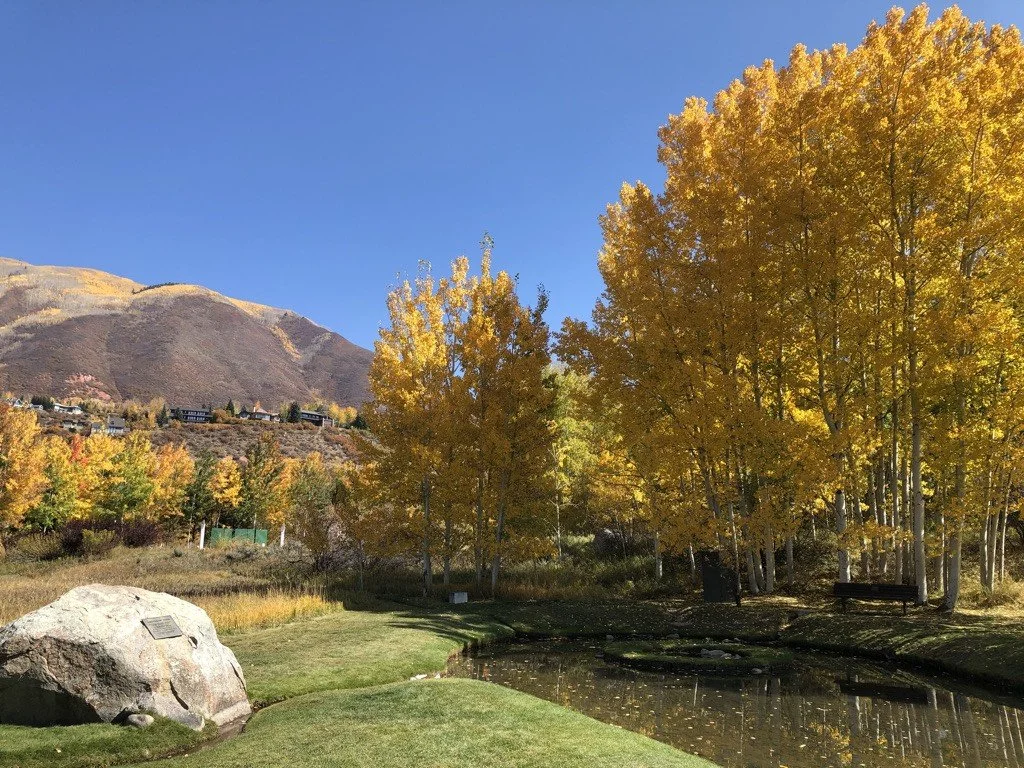
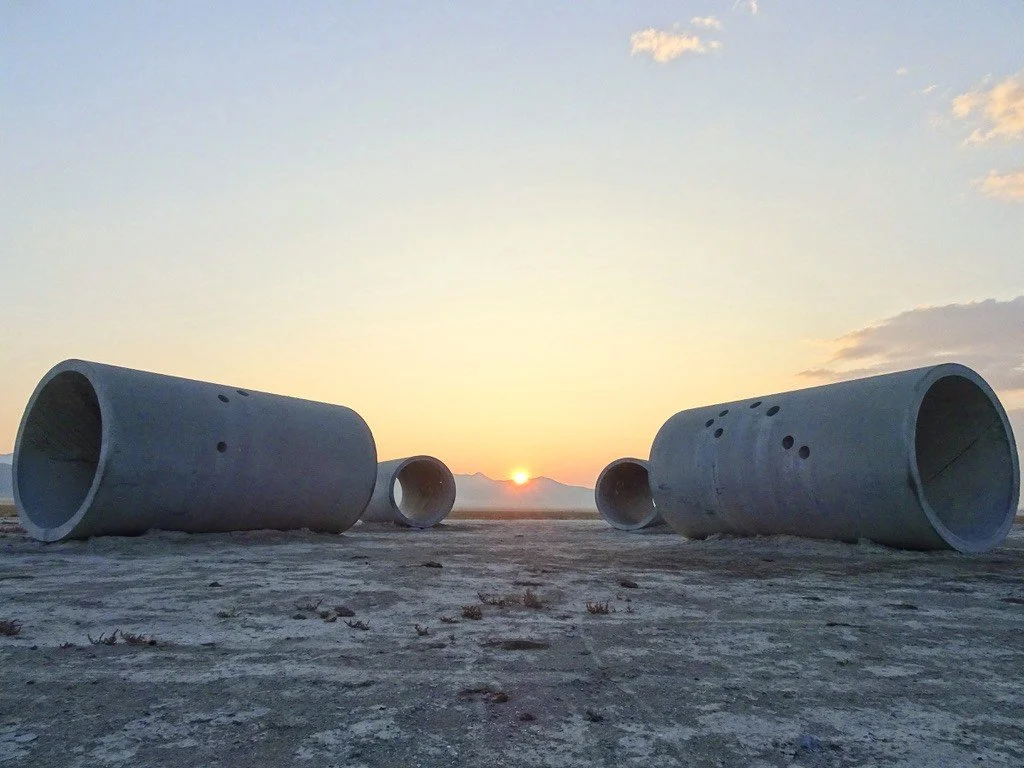
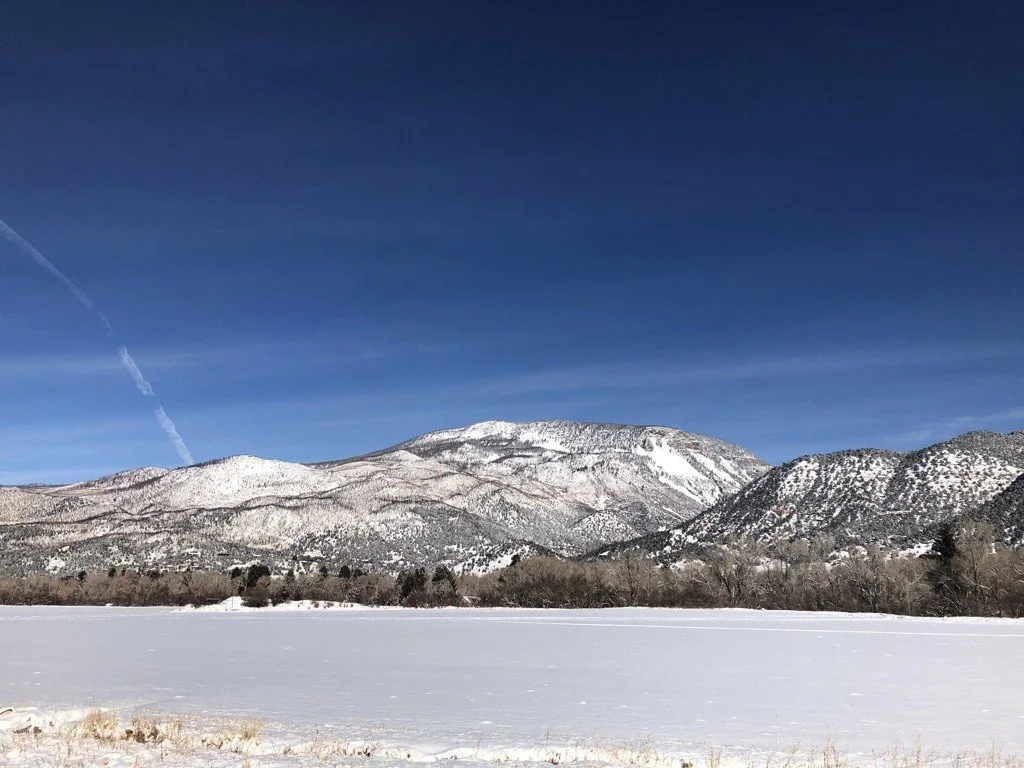
A dear former colleague of mine mailed me a gift when I first got to Aspen: an Enlightenment planner. This isn’t an ad for one, there are no affiliate links. But that planner became a journal of the most tumultuous and difficult year of my life and gave me various modes to track my journey. One of those ways was writing myself a weekly affirmation. So, to close these reflections, here is a year’s worth of weekly affirmations that helped me from February 2020 to February 2021. I hope maybe they help (or at least resonate with) you, too. It feels scary to share them, but then, I’m trying to lean into that, too.
It’s OK to be how you’re feeling you should be.
You’re doing well, even if it doesn’t feel like it.
Making it through is a win in its own right.
Find your balance. Re-center. You are strong.
Only connect.
Be patient. Be present.
You are doing enough.
You are not failing.
You are doing enough. It’s OK to not have control.
I lead with humanity.
We can and will adapt.
It’s OK to take a break.
Have patience. Relax.
It’s just my job, not my life.
Physical health comes first. Keep going.
Black lives matter.
In it for the long haul.
You deserve joy.
Rest is not the same as giving up.
It’s just my job, not my life. Feel your feelings as they are.
You can ask for help.
You won’t always feel like this.
May I be happy — eventually.
You won’t always feel this bad.
Celebrate little moments of joy and success.
It’s OK to be happy. May I hold this, too, with kindness, with awareness.
Let things come as they come.
Rituals are here to help.
You will get through this.
Try out not worrying. Worrying is a habit — it can be broken.
You are taking care of yourself. Celebrate all the wins without qualifiers.
Progress can look like many things.
Take care of yourself.
Celebrate small wins. Accept decisions.
Whatever happens with the election, you will go on.
Trust what you’re feeling. Take the space you need.
Not perfect. Not permanent. Not personal.
It’s time to go take care of yourself.
You can handle what’s coming.
You are not alone in thinking this way.
You make your own rituals. Hold feelings like light powdered snow.
Enjoy your rituals. Enjoy discovery. Forgive yourself the small stuff.
Let yourself take the time you deserve.
Stay gentle.
Mourning and respite.
You are brave and deserve rest.
Believe your heart.
Go gently. Get fat and strong.
Be happy. Be healthy. Be safe.