Am I the only one thinking a lot about isolation and the need for community right now?
I mean, I know I'm not the only one, really. It often feels that way, but I know I’m not alone.
Dr. Jeremy Nobel, who started the Foundation for Art and Healing is thinking about it, as he shared at the recent Future of Museums Summit in a talk about Museums and Loneliness.
Dr. Vivek Murthy, the Surgeon General of the United States, spearheaded the publishing of an 80-page report about the epidemic of loneliness in our country last year. (Here's a 1-page summary if 80 pages feels like too much or a podcast discussion with him, if you're an auditory learner.) The Health & Human Services Department is thinking about it.
Isabella Bruno is definitely thinking about it, because our conversations about the need for community led us to develop A Speculative Leap into the Future of Museum Workplace Well-being, the session we hosted in person at the Museum Computer Network conference in Lawrence, KS and again virtually at last week's Future of Museums Summit.

Our session involved some design fiction artifacts retrieved from a near future museum office and brought to the present to be analyzed for what they might tell us about aspirational, human-connected futures for museum workers.
How might an email signature that includes the text "Please respond at your convenience. <3" encourage us to rethink prioritizing work over relationships?
What might we infer about institutional priorities from the transparent sharing that museum admission helps support an all-staff barbecue, as well as subsidizing other visitors' admission?
These are just a few of the considerations our session brought up for folks who attended.
I've long said that MCN is where the highest concentration of my favorite museum people congregate, and this year's conference (the first time I've joined that in-person gathering since 2019) was no exception. I like to explain it to people as an organization for the folks who bring a digital approach to their work in and around museums. MCNers work in lots of roles across lots of departments—and plenty of third party organizations and foundations that aren't officially museums at all—and they all come ready to think about whether a new tool is worth testing out and how experimentation and iteration can be used to do it.
This year, I attended sessions that dug into the morality and ethics of how technology and culture connect. How can AI be carefully harnessed to generate online image descriptions and vastly expand access to museum collections online? How can community needs and desires shape what a new museum offers when it starts out as a digital space before its physical building exists? What happens when museums focus their audio content on the unedited, bring-your-own-recording-tech, lived experience of people outside their own staff teams? What help is out there for small museums that want to responsibly collect complex born-digital artwork but aren't sure how to take care of it?
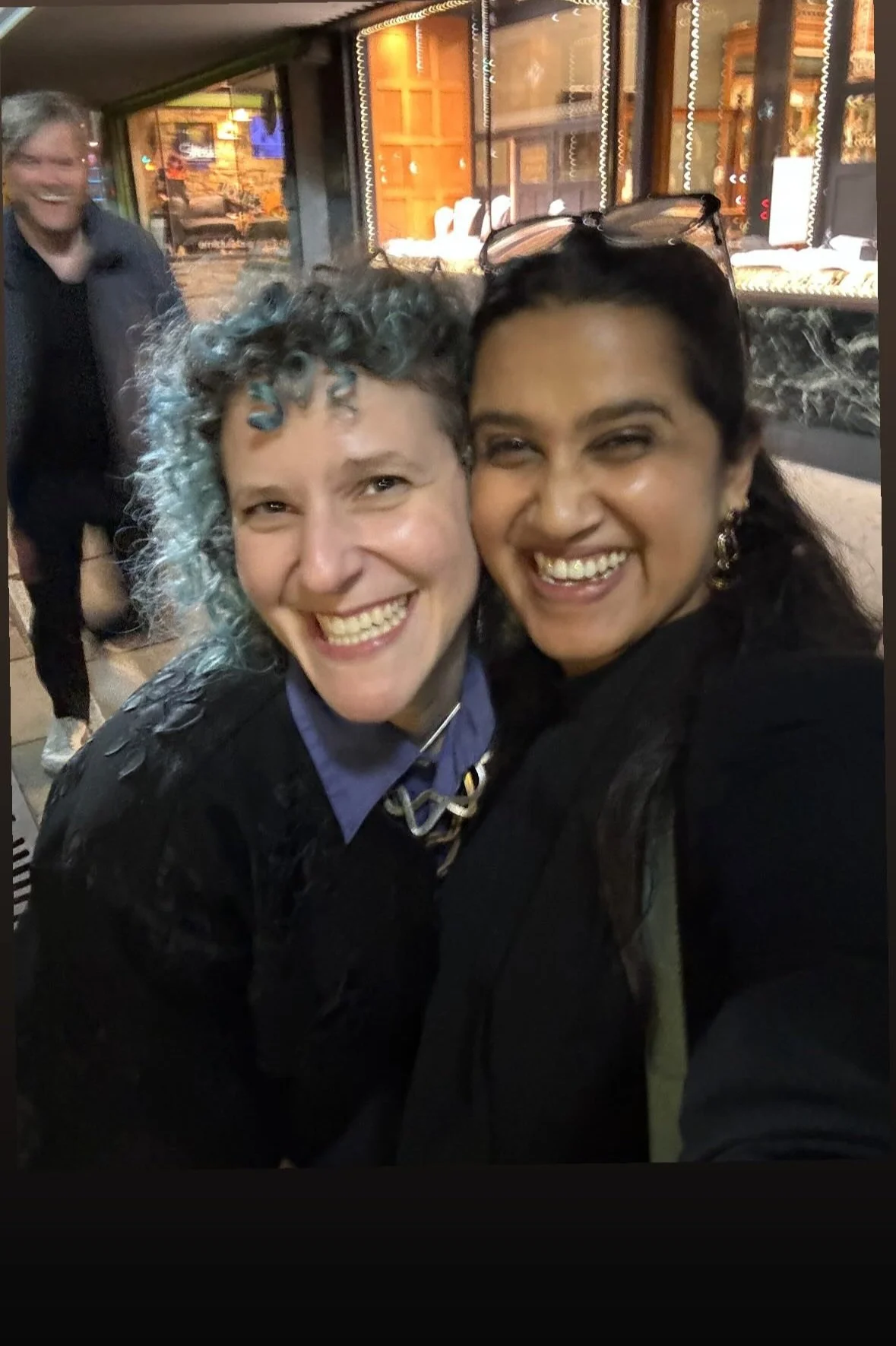
I spent quality time with some of my favorite museum world people, met some friends in physical space who I'd only previously spent time with on video calls, and connected with new people who are up to all kinds of interesting things.
MCN was a deeply nourishing way to round out a month that began with a long weekend in New Orleans with my college besties. This is a group of 6 who make it a point to travel somewhere together every few years, without our partners and kids. In some ways, it's the most long-lasting "baseline" I have to check in on how our lives are unfolding.

Over 20+ years we've been through a wide array of births and marriages and divorces and moves and hirings and resignations and health crises and celebrations. You know, life. We're scattered across the country, and although NOLA is none of our home base, it's a city I deeply love, and it was great to be there with people I also deeply love (I have to finish writing this before it's time for our weekly Great British Bake Off viewing, where we frantically text each other through the episode and follow our fantasy league bakers).
And since I've been writing this post over the course of almost a week now, I'm finishing it from a sunlit desk in New York City, where I'm visiting with a different group of friends to celebrate a milestone birthday with themed dinner partying and catching up on the theater-going that I miss from my NYC life.
Because these trips to New Orleans, Lawrence/Kansas City, and New York have all come in the autumn, they've fallen during the time of year that brings out my navel-gazing, introspective, emotionally tender tendencies as I layer up my clothing and pile on the wool socks and scarves.
I've been having open conversations about what it means to be living a life that's taken some very different directions than I expected and than my friends' lives have.
I've been sitting over drinks and barbecue and po' boys and biscuits and beignets and more barbecue—Lawrence and Kansas City especially tossed my mostly pescatarian lifestyle out the window—talking with people about all the detours that have led us to where we are right now.
There are some major ways where my life looks very different from many friends' and colleagues' lives. I haven't followed a lot of the social norm expectations for my generational/gender/professional identities. I'm an adventurous pirate who often takes the path less traveled, sometimes by choice because I'm up for the unknown, and sometimes by necessity, because life has thrown me a curveball and I've had to redirect.
I left a stable job on an upward career trajectory to prioritize my mental and physical health. I'm an adult woman who is single and child-free. I moved home to live with with my parents just before turning 40. I regularly travel alone to unfamiliar places. I'm pursuing a portfolio career instead of focusing myself on a single niche.
These are just a few of the factors that have led to the unconventional life I'm leading.
In the face of all of that, it's easy to feel different or isolated.
It's easy to question myself and worry about the consequences of my decisions.
It's easy to believe that what I'm doing is being done in a vacuum that no one else will relate to.
In other words, it's easy to feel lonely.
But you know what? I hear versions of the same thing from so many people I talk to.
Because yes, I make it a point to reach out proactively for interaction with others, especially now that I'm working for myself and don't have a daily office full of colleagues to see.
I know that I'll be happier if I can check in with other people to share how we're all doing. I'll have an easier time making decisions if I can talk them out with others. I'll find new sources of inspiration and ideas if I'm in exchange and community with people who are wrestling with some of these same issues themselves.
Honestly, this moment is a time where we—at least in the USA—could all use more community than less. No matter what your political feelings may be, this presidential election is incredibly anxiety-inducing. It feels like there's a national-level cortisol spike boosting all of our stress.
And ironically, I'm finding that people seem less inclined to take on any additional commitments right now than they usually are. I've had lots of conversations with other entrepreneurs and consultants across multiple fields who've all been finding this a slower season than usual.
I get it. Truly. This doesn't feel like a time to take on anything extra in our lives.
I'm accepting that this may be a slower season of work for me, and even if I don’t love it, that's OK.
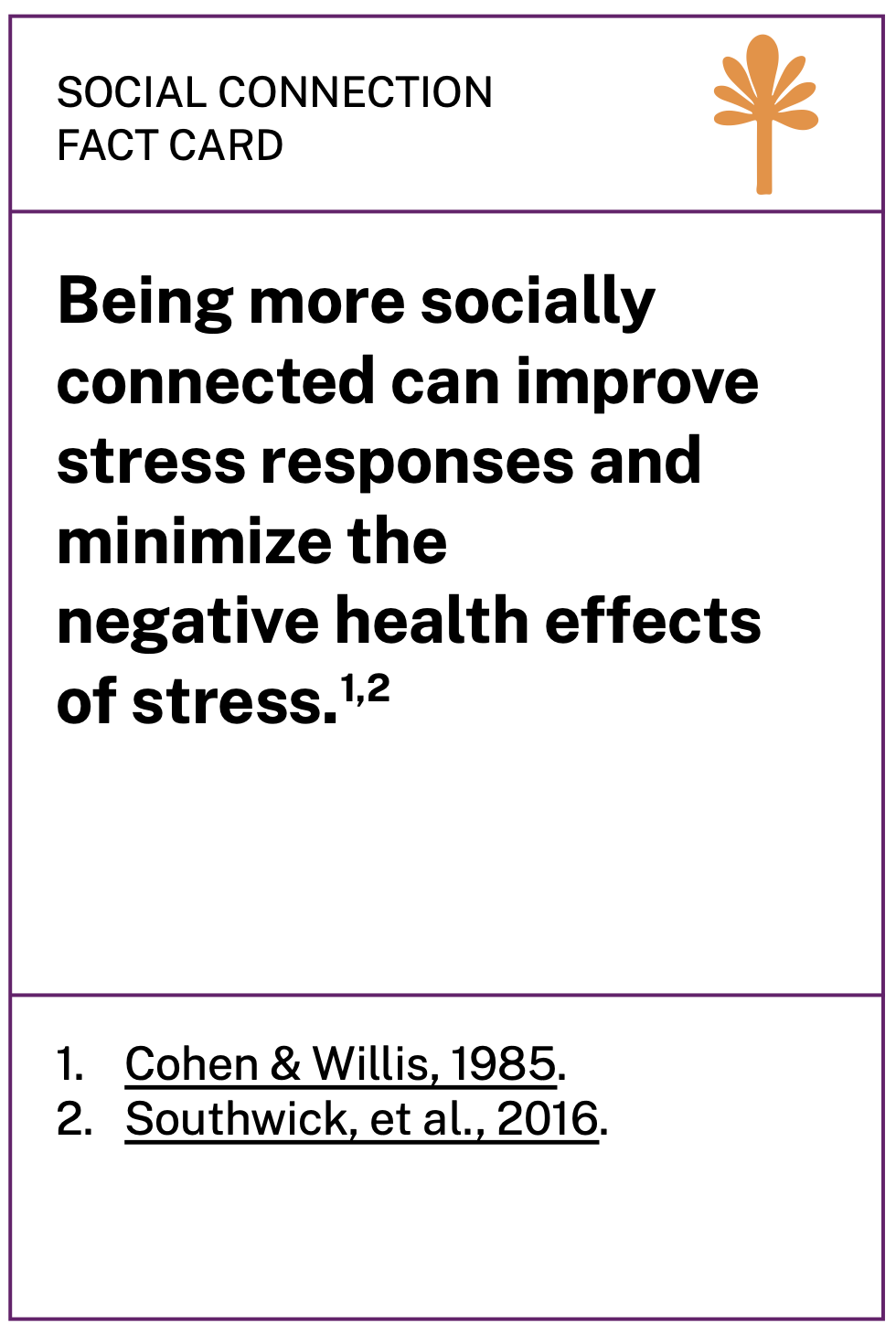
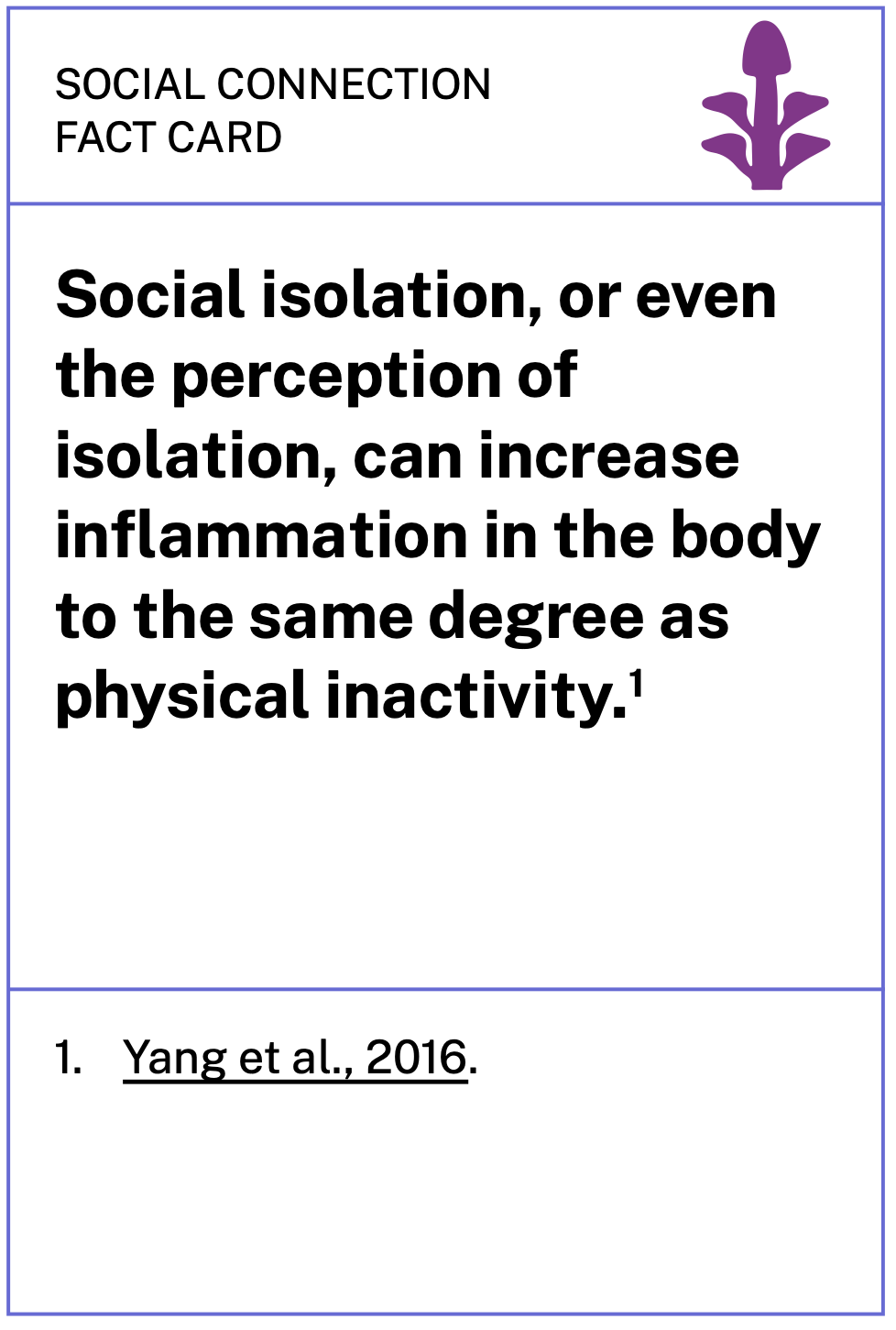
And, I'm still pushing myself to create spaces for community where I can, because I know from my own experience—not to mention the science behind the Surgeon General's report—that being in community is exactly what will help lower my stress levels and help me move through pressure-filled moments.
To give us all a little grace (including me, who's been focusing on very disparate things in a short amount of time), I'm leaving the doors open to join the next cohort of CARE (the Consortium of Arts Related Entrepreneurs) for just a little longer.
If you'd like to join in this community, you can still do so until November 10.
Here in the USA, I'm looking forward to knowing I have fellow thoughtful business owners to be connected with, no matter what happens after Tuesday's presidential election.
CARE has been a space of gentle attention and supportive consideration that I've benefited from immensely in the past, and I've got a blend of returning folks and new folks coming into this third cohort that'll join together from November 2024–February 2025.
Opening this community up is a way that I can work to push stubbornly back against the cultural norms that tell us we should be doing everything in competition with each other and on our own. I'm here for abundance and collectivity, after all.
If you've been considering joining CARE, but don't feel that your business is arts-related enough or that you "don't count" as an entrepreneur or that your cultural work is just a side hustle, don't let that be the thing that stops you.
There have been people in past cohorts who are building side projects up to become their main projects. There have been folks who used to work in arts-specific jobs and who are now pursuing more expansive entrepreneurial ventures (in teaching, writing, coaching, facilitation, librarianship, evaluation, design, and more).
If you want a place to connect with others that has room for both professional advice and emotional honesty, that's what CARE can be for you.
A major pillar of the work I do is community building. I make space for people to connect and feel heard. That’s radical in a time when the public discourse is so much more about shutting down voices of dissent. Community building is part of my activism. If that can help you, I hope you'll come join me.
Creative Prompt Coda: Try an activity you usually do solo, only this time do it in the company of someone else.